

Foreclosure Service in Chicago
As a trusted foreclosure service in Chicago, we help homeowners facing mortgage distress with practical solutions and honest guidance. Whether you're seeing warning signs, already behind on payments, or have received foreclosure notices, we'll show you every option available—including our foreclosure prevention services that help Chicago families stop the process and protect their financial futures.
Time is critical. The earlier you act, the more options you have. Call us today for a free, confidential consultation: (312) 975-5557
Foreclosure Prevention Help in Chicago: You Have Options
Foreclosure doesn't happen overnight. From your first missed payment to auction day, you have 7-12 months in Cook County—time to explore alternatives and take control of your situation.
We help Chicago homeowners prevent foreclosure through:
Fast cash sales that beat auction deadlines
We close in 7-14 days, pay off your entire mortgage, and you walk away with cash instead of a foreclosure on your credit
Loan modification guidance and lender negotiation
We explain which programs you qualify for and connect you with housing counselors who can help you restructure your loan
Short sale coordination with your lender
If you owe more than your house is worth, we handle all negotiations to get your lender to accept less and forgive the difference
Property with liens purchase
We buy houses with tax liens, judgment liens, and contractor liens—paying everything off at closing so you start fresh
Your situation is unique. Let's figure out which path makes the most sense for you—keeping your home with modified payments or selling quickly to avoid foreclosure damage.
Behind on Mortgage Help: What Happens Next
You've missed one, two, maybe three payments. Your lender is calling. Letters are piling up. You're stressed and unsure what to do next.
Here's the reality of Chicago foreclosure timelines:
After 1 missed payment (30 days late)
Your lender starts calling and sends reminder letters. Late fees added to your account. No legal action yet.
After 2-3 missed payments (60-90 days late)
Lender reports delinquency to credit bureaus. Your credit score drops 100+ points. Loss mitigation department gets involved.
After 4 missed payments (120 days late)
Lender can file foreclosure lawsuit in Cook County court. You receive a breach notice 30 days before filing.
After foreclosure filing (4-7 months)
You have 30 days to respond to the lawsuit. Court schedules hearings. Timeline depends on court backlog and your response.
Foreclosure judgment and auction (7-12 months total)
If lender wins, court orders sheriff's sale. Your house is auctioned. You have 30 days after sale before eviction.
The key insight: You have MONTHS to act, but early action gives you better options and more leverage with your lender.
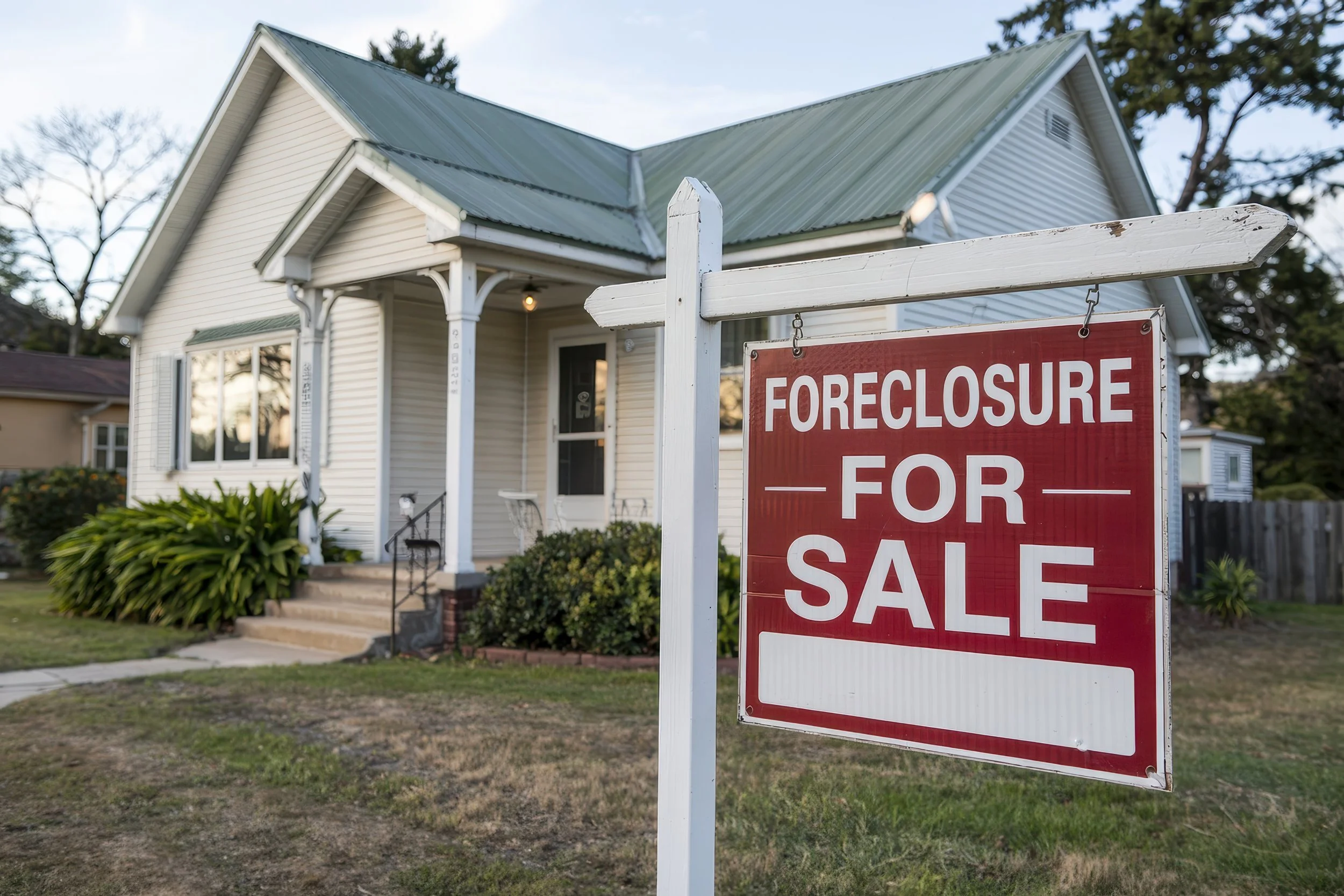
Your Options When Behind on Mortgage Payments
Reinstatement Plan (Pay Everything at Once)
Best for: Temporary income loss that's now resolved
How it works: Pay all missed payments, late fees, and legal costs in one lump sum. Your loan returns to current status immediately.
Reality check: Most people can't come up with $5,000-$20,000+ all at once. If you can, this is the fastest fix.
Forbearance Agreement (Pause Payments Temporarily)
Best for: Short-term hardship with clear end date (job search, medical recovery)
How it works: Lender pauses or reduces payments for 3-12 months. When forbearance ends, you owe everything that accrued.
Reality check: Just delays the problem unless your income situation improves.
Repayment Plan (Catch Up Over Time)
Best for: Stable income that can handle extra monthly payments
How it works: Spread past-due amounts over 3-12 months. You pay your regular payment PLUS $200-$500 extra each month.
Reality check: Requires steady income. If you're still struggling financially, this just delays the problem.
Short Sale (Sell for Less Than You Owe)
Best for: Underwater mortgages where you owe more than the house is worth
How it works: Lender agrees to accept less than full payoff. You sell the house and walk away with no deficiency in most cases.
Reality check: Takes 4-6 months, requires lender approval, still damages credit (but less than foreclosure).
Loan Modification (Restructure Your Mortgage)
Best for: Permanent income reduction but stable employment
How it works: Lender adjusts your loan terms—lower interest rate, extended term, reduced principal. Past-due amounts rolled into new loan.
Reality check: Takes 60-90 days to process. Not everyone qualifies. Lender wants proof you can afford modified payments.
Chapter 13 Bankruptcy (Reorganize All Debt)
Best for: Overwhelming debt from multiple sources (medical, credit cards, etc.)
How it works: Court-supervised 3-5 year repayment plan. Automatic stay stops foreclosure immediately. You keep your house if you follow the plan.
Reality check: Requires regular income. Stays on credit report for 7 years. Need a bankruptcy attorney.
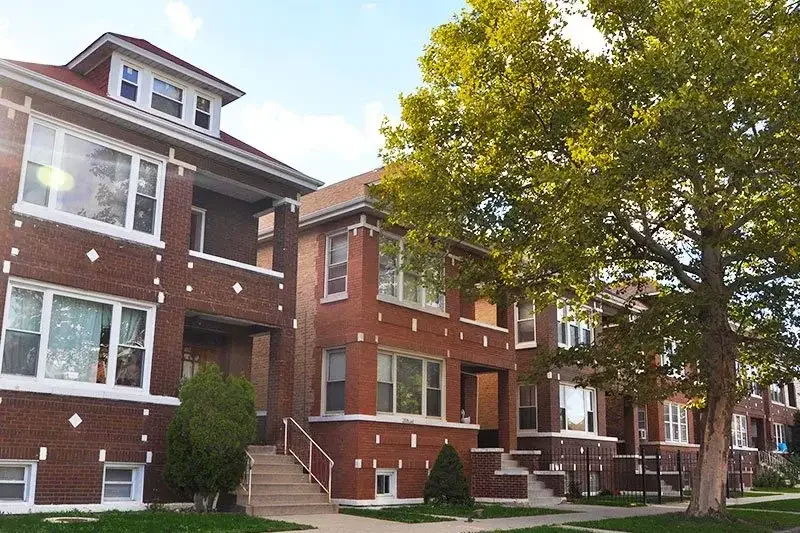
Pre-Foreclosure House Buying: Sell Before Auction
The absolute fastest way to stop foreclosure is selling your house to a cash buyer. No waiting for loan modifications. No hoping the bank approves your short sale. Just a quick, clean exit.
How pre-foreclosure sales work:
You get a fair cash offer within 24 hours
We assess your property, check what you owe on your mortgage, and make an offer that covers your loan payoff
We coordinate directly with your lender
You don't negotiate with the bank—we handle all communication about payoff amounts and timelines
We close in 7-14 days (or faster if needed)
If your auction is scheduled for 3 weeks out, we can close in 10 days to beat the deadline
Your mortgage gets paid in full
The foreclosure case gets dismissed because the debt is satisfied. Your credit takes a smaller hit than foreclosure.
You may walk away with cash
If you have equity (house worth more than you owe), you get the difference. If you're underwater, you at least avoid deficiency judgments.
Property with Liens Purchase: We Buy Chicago Houses with Liens
Tax liens, contractor liens, judgment liens, HOA liens—they pile up and complicate everything. Traditional buyers won't touch properties with liens. We buy them all the time.
Common liens we handle in Chicago:
Property tax liens
Owed to Cook County or Chicago. These liens attach to the property and must be paid before closing. We pay them off as part of the purchase.
Contractor liens (mechanic's liens)
Unpaid contractors who did work on your property. We negotiate settlements and pay them at closing.
Judgment liens
Court judgments against you that attached to your property. We pay them off so you can sell with clear title.
HOA liens
Unpaid homeowner association fees. Common in condo buildings. We settle with the HOA at closing.
IRS or state tax liens
Federal or Illinois tax liens on your property. We work with tax attorneys to negotiate payoffs.
How we handle properties with liens:
✓ We buy despite active liens
You don't need to pay them off before selling—we handle everything at closing
✓ We negotiate with lienholders
Often we can settle for less than the full amount, saving you money
✓ We clear the title
Our title company coordinates all lien releases so you walk away clean
✓ You get any remaining equity
After paying off your mortgage and all liens, any leftover proceeds go to you
Reality check on liens:
Many Chicago homeowners are paralyzed by liens—they think they can't sell until liens are paid. That's not true. You can sell to a cash buyer who handles lien payoffs at closing.
If you owe $150,000 on your mortgage + $30,000 in liens and your house is worth $200,000, here's what happens:
We offer $185,000 (as-is value)
Closing: $150,000 to mortgage, $30,000 to liens, $5,000 to you
You walk away with $5,000 and no debt
Much better than foreclosure or bankruptcy.
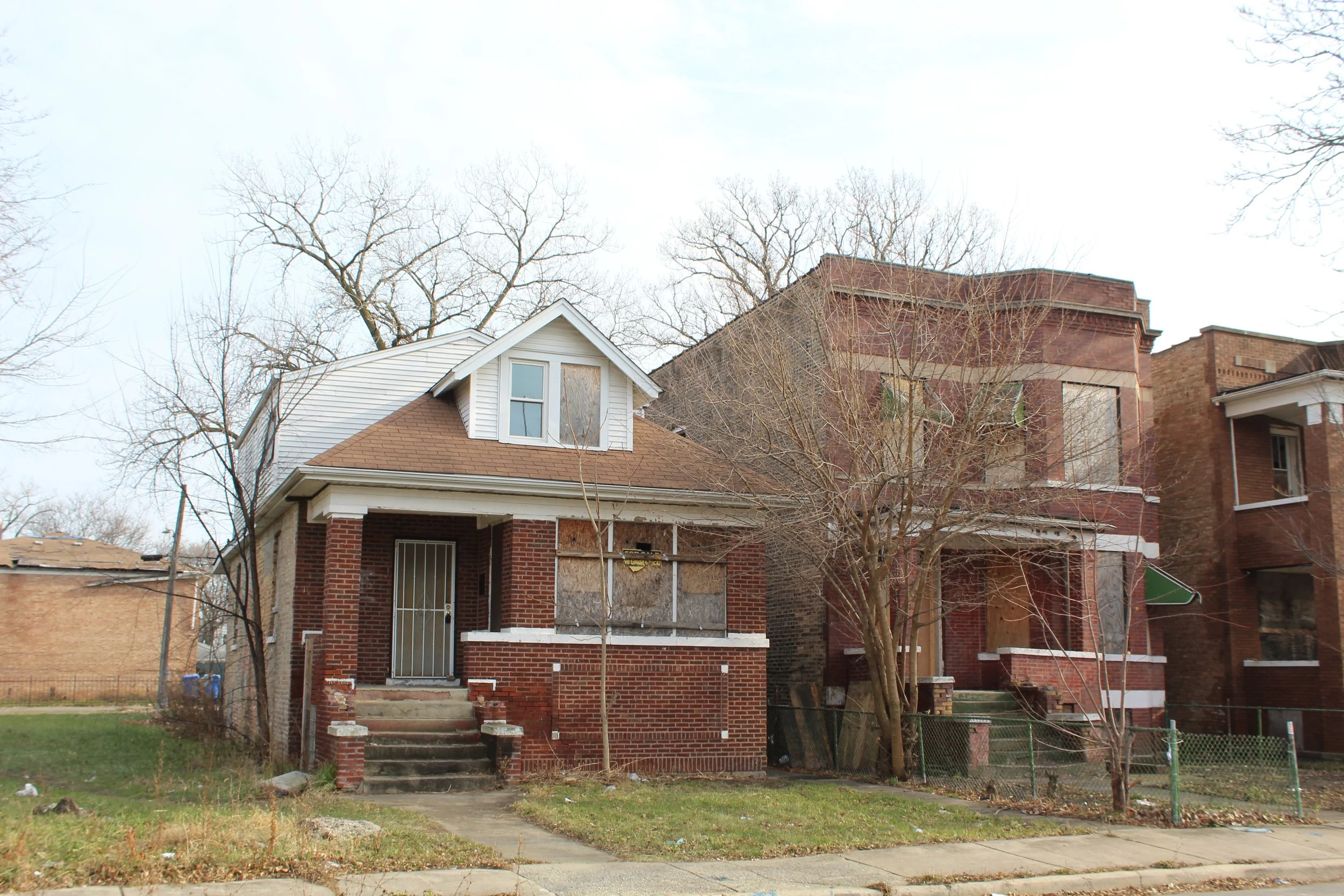
When Keeping Your House Doesn't Make Sense
Sometimes foreclosure prevention means accepting you need to sell. This isn't failure—it's making a smart financial decision.
Signs selling is your best option:
✓ Your income dropped permanently (job loss, disability, career change)
✓ Your payment is unaffordable even with loan modification
✓ You're relocating for work or family
✓ The house needs major repairs you can't afford
✓ You're underwater on your mortgage (owe more than it's worth)
✓ You want to avoid years of financial stress and uncertainty
Why selling before foreclosure protects you:
Better credit impact
Voluntary sale = 50-100 point credit drop. Foreclosure = 200-300 point drop. Big difference when you need to rent or buy again.
No deficiency judgment risk
If your house sells at auction for less than you owe, lenders can pursue deficiency judgments against you. Cash sales to investors often avoid this.
You control the outcome
Selling means YOU decide when to close and where to move. Foreclosure means the sheriff shows up with an eviction notice when you're not ready.
Potential cash proceeds
If you have equity, selling puts money in your pocket. Foreclosure gives you nothing.
Special Resources for Chicago Veterans Facing Foreclosure
If you're a veteran with a VA loan, you have additional protections and resources beyond standard homeowner options.
VA Foreclosure Prevention Programs:
VA Home Loan Guaranty counseling (free)
Call: 1-877-827-3702
VA counselors review your situation and help you access VA-specific programs for loan modification and repayment plans.
VA Servicing Purchase (VASP)
If you're in foreclosure on a VA loan, the VA may purchase your loan from the servicer and work out more favorable terms directly with you.
Servicemembers Civil Relief Act (SCRA) protections
Active-duty service members get special foreclosure protections. Lenders must get court approval before proceeding. Interest rates capped at 6% during active duty.
Veterans Benefits Administration
Connect with VBA counselors who understand deployment impacts, service-connected disability benefits, and post-service employment challenges affecting housing payments.
Local Chicago VA resources:
Jesse Brown VA Medical Center and Chicago Veterans Service Organizations provide referrals to housing counselors familiar with veteran foreclosure issues.
We work with veterans regularly and understand how deployment, disability, and service transitions create housing payment difficulties. We've helped dozens of Chicago-area veterans sell their homes quickly to avoid foreclosure when modification programs didn't work.

Frequently Asked Questions About Chicago Foreclosure
Q: Can I stop foreclosure after my lender files the lawsuit?
A: Yes. You have options until the actual auction sale. You can reinstate the loan, negotiate a modification, file bankruptcy (automatic stay), or sell the property. The earlier you act, the more leverage you have.
Q: How long does foreclosure take in Cook County?
A: 7-12 months from first missed payment to sheriff's sale. Illinois judicial foreclosure requires court proceedings, which take time. This timeline is your opportunity to explore alternatives.
Q: What's the fastest way to stop foreclosure in Chicago?
A: Selling your house to a cash buyer. We can close in 7-14 days and pay off your mortgage before the auction date. Loan modifications and short sales take months—cash sales are measured in weeks.
Q: Will I owe money after foreclosure if my house sells for less than I owe?
A: Maybe. If your house auctions for less than your mortgage balance, lenders can pursue deficiency judgments against you for the difference. Selling before foreclosure often avoids this.
Q: How much will foreclosure hurt my credit?
A: Foreclosure drops your credit score 200-300 points and stays on your report for 7 years. Selling before foreclosure typically results in 50-100 point drop as a "voluntary sale" or short sale—much better long-term.
Q: Can you really buy my house if I'm behind on payments?
A: Absolutely. We've bought hundreds of pre-foreclosure properties in Chicago. We pay off your entire mortgage (including past-due amounts) at closing and work with your lender to dismiss the foreclosure case.
Q: What if I owe more than my house is worth?
A: We can often negotiate short sales where your lender accepts less than full payoff. Or we cover small shortages ourselves (under $20,000) to get the deal done and help you avoid foreclosure.
Q: I received a breach notice—how much time do I have?
A: Illinois requires 30 days' notice before your lender can file foreclosure. Use this time to explore all options—call us immediately for a free consultation.
Q: Should I just let the foreclosure happen and walk away?
A: No. Foreclosure is the worst possible outcome financially. It destroys your credit for 7 years, you may owe a deficiency, and you get zero proceeds. Selling before foreclosure is almost always better.
Q: Can I stay in my house during foreclosure?
A: Yes. You can live in your house throughout the entire foreclosure process—often 12-18 months from first missed payment to eviction. But don't wait until eviction day to figure out your next move.